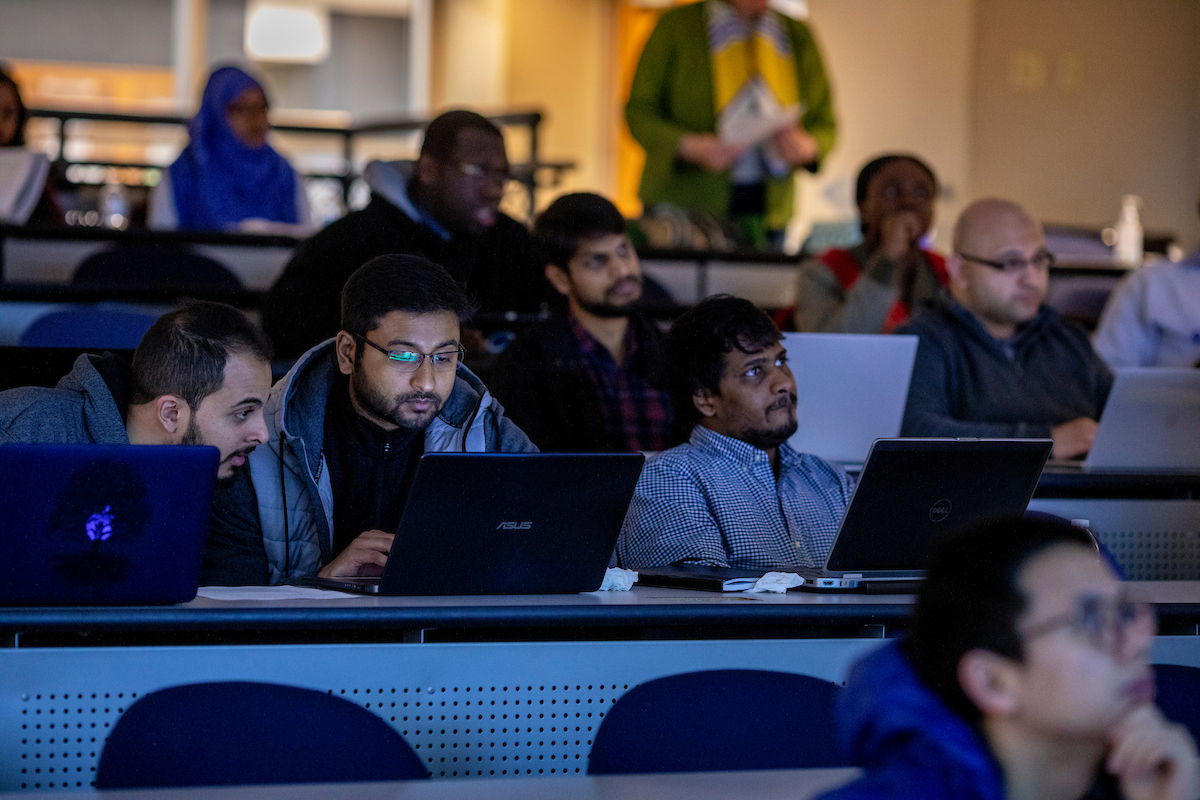
AI Insights & Innovations
Join dynamic workshops and seminars exploring AI’s latest advancements, applications, and impact. Gain expert insights and hands-on experience to navigate the future of AI.
Missouri S&T AI Workshops & Seminars
Workshops & Seminars about artificial intelligence at Missouri S&T.
Explore all events
MinerAI Seminar Series (Spring 2026): AI in Research and Practice
MinerAI will host a seminar series in Spring 2026. The series will be held on Wednesdays at 4 p.m. in Room 220 of the CS Building. It explores the latest advances in AI and machine learning, highlighting both theoretical innovations and real-world applications. Upcoming Seminar information
Past Workshops & Seminars
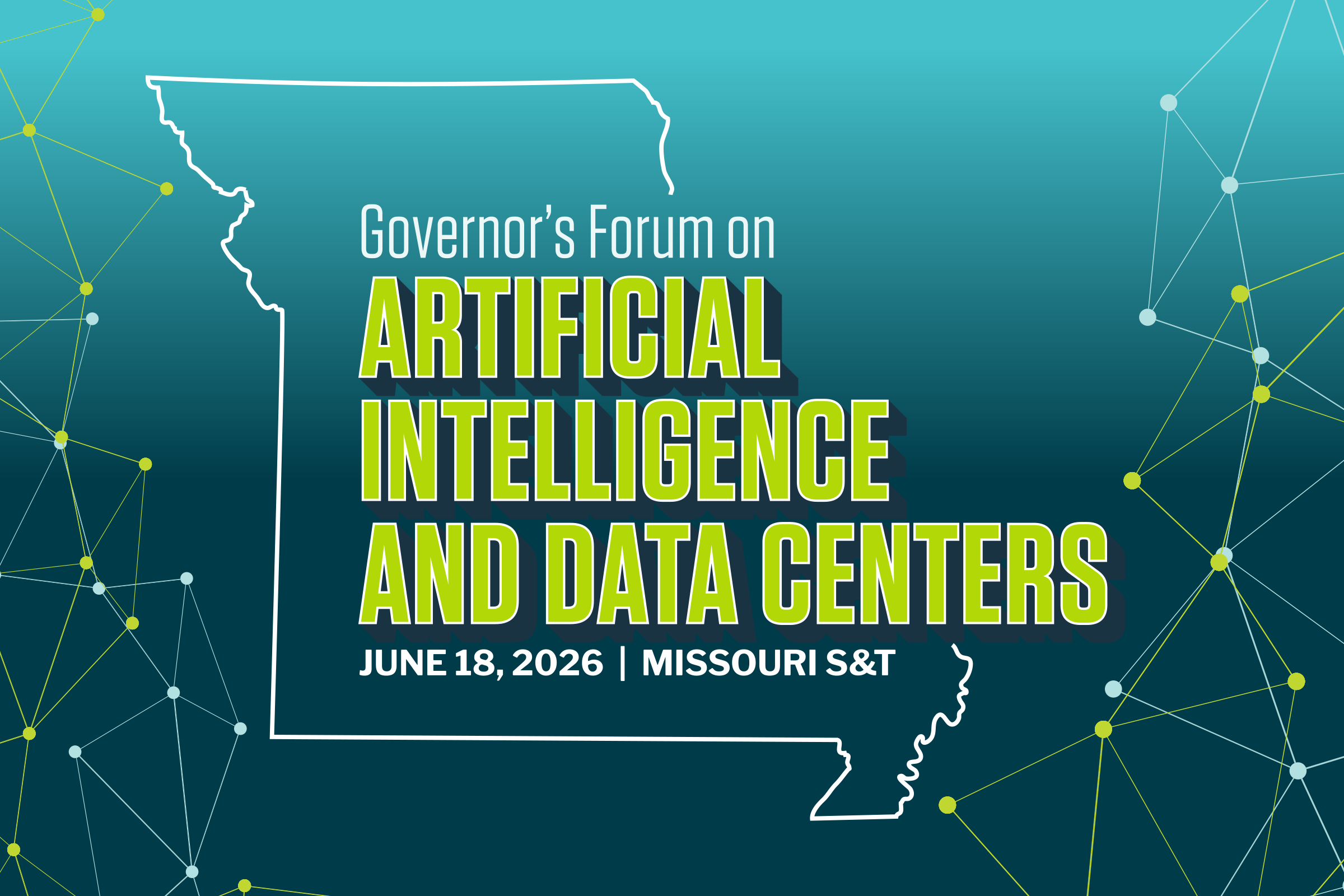
Governor’s Forum on Artificial Intelligence and Data Centers
On June 18, 2026, we brought together leaders from government, industry, academia, and the public at Missouri S&T to explore how AI is transforming our economy, infrastructure, and communities. Watch the sessions
View All of Our Past Workshops & Seminars
Interested in seeing what we've done previously? From exploring academic integrity with AI to naval applications. View past workshops & seminars